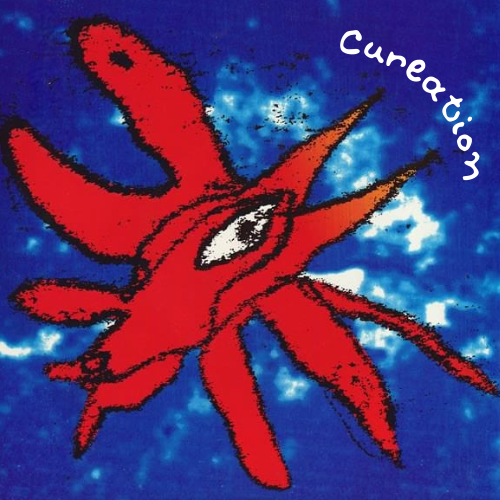
Disintegration
About the Album
The Cure’s eighth studio album — a slow-burning, synth-and-guitar–textured masterpiece of melancholy and melody. Disintegration returned the band to a darker, more introspective sound while producing enduring singles like “Lovesong” and “Lullaby.”
After the expansive pop success of Kiss Me, Kiss Me, Kiss Me (1987), Robert Smith felt pressure to produce a more enduring work as he approached his 30th birthday; he deliberately moved back toward the darker aesthetic of earlier Cure records. Recording took place November 1988–February 1989 at Hookend (Hook End Manor) in Oxfordshire. Sessions were fraught with interpersonal tension, largely due to Lol Tolhurst’s escalating alcoholism; Tolhurst was effectively dismissed from the band by the time mixing finished. The album’s title and themes reflected a sense of things falling apart in Smith’s life and in the band dynamic.
Tracklist
12 tracks · 1h 12m| # | Title | Duration | Listen |
|---|---|---|---|
| 1 | Plainsong | 5:12 | |
| 2 | Pictures of You | 7:24 | |
| 3 | Closedown | 4:16 | |
| 4 | Lovesong | 3:29 | |
| 5 | Last Dance | 4:42 | |
| 6 | Lullaby | 4:08 | |
| 7 | Fascination Street | 5:16 | |
| 8 | Prayers for Rain | 6:05 | |
| 9 | The Same Deep Water as You | 9:19 | |
| 10 | Disintegration | 8:18 | |
| 11 | Homesick | 7:06 | |
| 12 | Untitled | 6:30 |
Singles
Lullaby
April 1989
Fascination Street
April 1989
Lovesong
August 1989
Pictures of You
March 1990